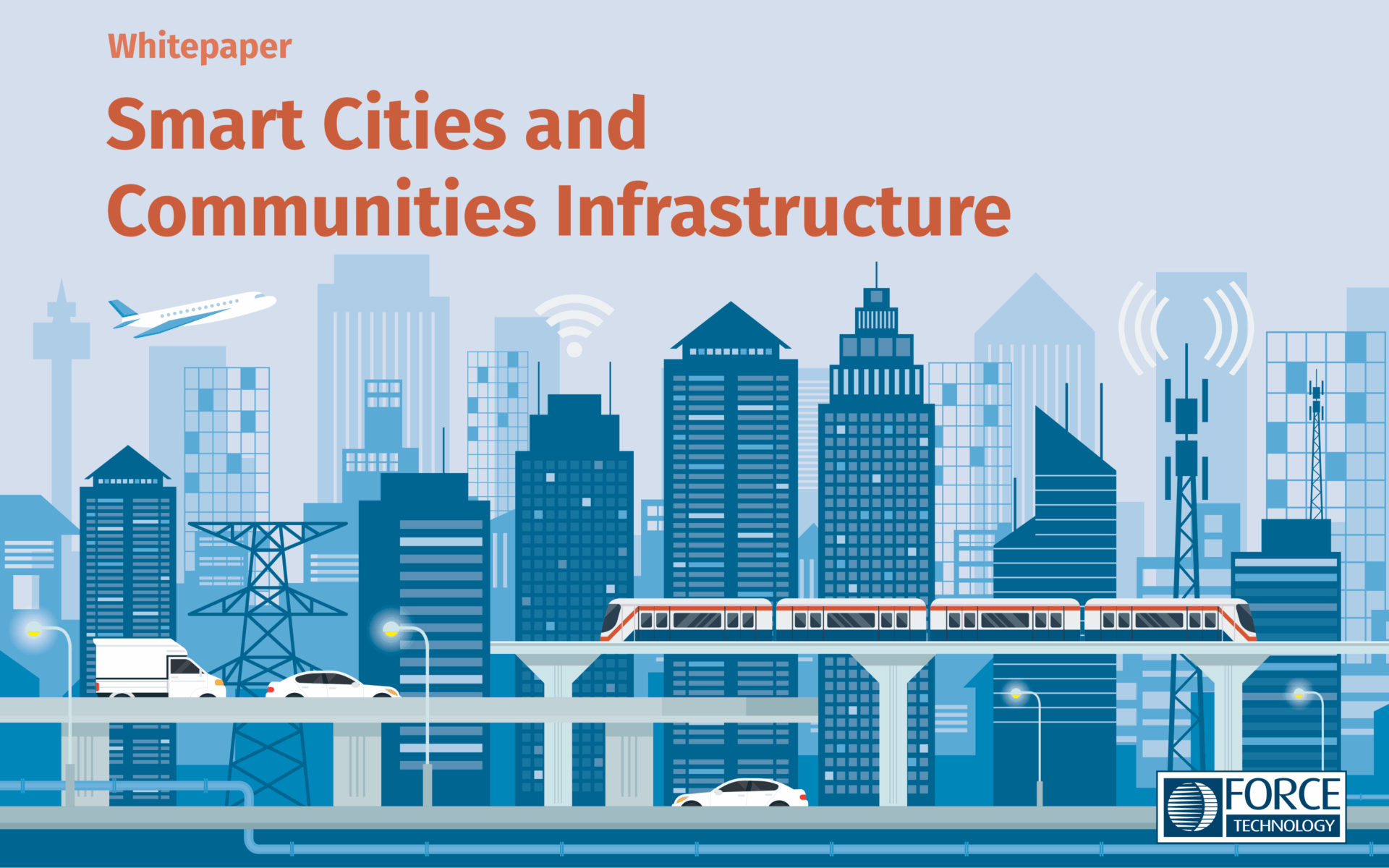
Emerging Trends & Future Potential: Smart Cities & Communities Infrastructure
Authored by leading experts in the field of IoT and Smart Cities, this whitepaper provides a comprehensive examination of the burgeoning trends in smart cities and their community infrastructure. It highlights their progression, future potential, challenges, and key drivers, spotlighting the role of technology in fostering more efficient and sustainable cities.
Executive Summary
With the increasing urbanization and the need for sustainable development, Smart Cities and Communities (SCC) have emerged as a solution for addressing these challenges. This whitepaper delves into the concept of SCC, its infrastructure, key stakeholders, and potential applications. It provides insights into the fundamental drivers for Smart Cities Infrastructure and the service planning and delivery systems shaped by smart infrastructure.
Technical Background
Smart Cities are cities that use information and communication technologies (ICT) to enhance quality, performance, and interactivity of urban services, to reduce costs and resource consumption, and to improve contact between citizens and government. This whitepaper delves into the importance of smart cities and their role in creating more efficient and sustainable communities.
System Architecture
The architecture of Smart Cities and Communities Infrastructure is complex, involving various stakeholders like technology providers, government bodies, and citizens. It deals with multiple components like data collection, data analysis, cloud services, and user interfaces. Understanding this infrastructure is key to understanding smart cities.
Implementation Details
Implementing a smart city involves multiple stages – from envisioning and planning to building and managing the infrastructure. The whitepaper provides step-by-step guidance on how to transition from a traditional city to a smart city.
Code Examples
While the concept of Smart Cities is largely policy and design-oriented, technology plays a critical role in its realization. Code examples, specifically related to IoT applications, serve as practical guides for implementation. This whitepaper includes various examples of code snippets for different smart city applications.
Performance Analysis
An analysis of the performance of existing smart cities provides a benchmark for cities planning this transition. It highlights the benefits that smart cities offer in terms of efficiency and sustainability, among others.
Security Considerations
With an increased digital footprint, smart cities must prioritize security. This whitepaper covers the potential cybersecurity threats that smart cities could face and how they can bolster their security infrastructure to protect against these threats.
Troubleshooting
Despite best efforts, problems can arise in the operation of a Smart City. This whitepaper includes a section on troubleshooting common issues, providing solutions, and preventive measures.
Conclusion
The future of urban living lies in Smart Cities and Communities. Understanding the architecture, implementation, and potential challenges of this infrastructure is critical for city planners, technologists, and citizens alike. This whitepaper serves as a comprehensive guide in this journey towards a smarter, more sustainable future.
Download PDF Document
Enter your contact details to download the complete document with all original formatting and detailed information.
